House Bill
H.R. 1146
No More Funding for NPR Act of 2025
Primary Sponsor
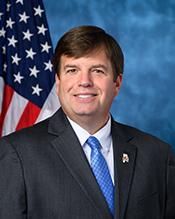
Dale W. Strong
Representative
Cosponsors
6
Quick Stats
Policy Area
Summary
This bill aims to address concerns about foreign intelligence threats to American colleges and universities. It would require the FBI to designate certain foreign actors as threats if they have engaged in espionage, visa misuse, or theft of trade secrets related to higher education. Once designated, the government would move to revoke their visas and initiate deportation proceedings. The bill also expands disclosure requirements for colleges receiving gifts or contracts from foreign sources.
Latest Action
Referred to the Committee on the Judiciary, and in addition to the Committees on Education and the Workforce, and Foreign Affairs, for a period to be subsequently determined by the Speaker, in each case for consideration of such provisions as fall within the jurisdiction of the committee concerned.
See this page through your district lens
Enter ZIP to personalize representatives and vote context.
Stay on top of this issue
Subscribe for weekly bill and representative updates.
Vote Prediction
No More Funding for NPR Act of 2025
This bill aims to address concerns about foreign intelligence threats to American colleges and universities. It would require the FBI to designate certain foreign actors as threats if they have engaged in espionage, visa misuse, or theft of trade secrets relat
Community Breakdown
Pass
0%
Fail
0%
0 predictions
This bill aims to address concerns about foreign intelligence threats to American colleges and universities. It would require the FBI to designate certain foreign actors as threats if they have engaged in espionage, visa misuse, or theft of trade secrets related to higher education. Once designated, the government would move to revoke their visas and initiate deportation proceedings. The bill also expands disclosure requirements for colleges receiving gifts or contracts from foreign sources.
- Bill Number
- 1146
- Sponsor
- Dale W. Strong (R-AL)
- Introduced
- 8/15/2025
- Status
- Referred to the House Committee on Energy and Commerce.
- Policy Area
- Education
Data from Congress.gov
Fact Sheet
- Title
- No More Funding for NPR Act of 2025
- Bill Number
- 1146
- Sponsor
- Dale W. Strong (R-AL)
- Status
- Referred to the House Committee on Energy and Commerce.
- Introduced
- 8/15/2025
- Summary
- This bill aims to address concerns about foreign intelligence threats to American colleges and universities. It would require the FBI to designate certain foreign actors as threats if they have engaged in espionage, visa misuse, or theft of trade secrets related to higher education. Once designated,
Data from Congress.gov
Public Opinions
Community submissions related to this bill.
No public opinions yet. Be the first to submit one for this bill.
Related Bills in Education
Recognizing the significance of "Community College Month" in April 2025 as a celebration of the more than 1,000 community colleges throughout the United States that support access to higher education, workforce training, and more, and broadly sustain and advance the economic prosperity of the United States.
Referred to the House Committee on Oversight and Government Reform.
ALYSSA Act
Referred to the House Committee on Education and Workforce.
Mathematical and Statistical Modeling Education Act
Placed on Senate Legislative Calendar under General Orders. Calendar No. 353.
Fair College Admissions for Students Act
Referred to the House Committee on Education and Workforce.