House Bill
H.R. 25
FairTax Act of 2025
Primary Sponsor
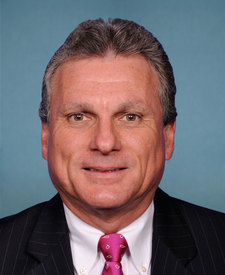
Earl L. Carter
Representative
Cosponsors
14
Quick Stats
Policy Area
Summary
The FairTax Act replaces all federal income, payroll, estate, and gift taxes with a 23 percent national sales tax starting in 2027. It eliminates the IRS and provides monthly rebates to families to offset tax on necessities. The sales tax ends if the Sixteenth Amendment is not repealed within seven years.
Latest Action
Referred to the House Committee on Ways and Means.
See this page through your district lens
Enter ZIP to personalize representatives and vote context.
Stay on top of this issue
Subscribe for weekly bill and representative updates.
Vote Prediction
FairTax Act of 2025
The FairTax Act replaces all federal income, payroll, estate, and gift taxes with a 23 percent national sales tax starting in 2027. It eliminates the IRS and provides monthly rebates to families to offset tax on necessities. The sales tax ends if the Sixteenth
Community Breakdown
Pass
0%
Fail
0%
0 predictions
The FairTax Act replaces all federal income, payroll, estate, and gift taxes with a 23 percent national sales tax starting in 2027. It eliminates the IRS and provides monthly rebates to families to offset tax on necessities. The sales tax ends if the Sixteenth Amendment is not repealed within seven years.
- Bill Number
- 25
- Sponsor
- Earl L. Carter (R-GA)
- Introduced
- 1/3/2025
- Status
- Referred to the House Committee on Ways and Means.
- Policy Area
- Taxation
Data from Congress.gov
Fact Sheet
- Title
- FairTax Act of 2025
- Bill Number
- 25
- Sponsor
- Earl L. Carter (R-GA)
- Status
- Referred to the House Committee on Ways and Means.
- Introduced
- 1/3/2025
- Summary
- The FairTax Act replaces all federal income, payroll, estate, and gift taxes with a 23 percent national sales tax starting in 2027. It eliminates the IRS and provides monthly rebates to families to offset tax on necessities. The sales tax ends if the Sixteenth Amendment is not repealed within seven
Data from Congress.gov
Public Opinions
Community submissions related to this bill.
No public opinions yet. Be the first to submit one for this bill.
Related Bills in Taxation
Child Care Availability and Affordability Act
Referred to the House Committee on Ways and Means.
All-Americans Tax Relief Act of 2025
Referred to the House Committee on Ways and Means.
Family Business Legacy Act of 2025
Referred to the House Committee on Ways and Means.
LOCAL Infrastructure Act
Read twice and referred to the Committee on Finance.