House Bill
H.R. 29
Laken Riley Act
Primary Sponsor
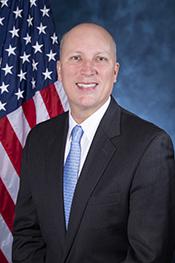
Chip Roy
Representative
Cosponsors
54
Quick Stats
Policy Area
Summary
This House version of the Laken Riley Act requires DHS to detain non-U.S. nationals who are unlawfully present and have been charged with, arrested for, or convicted of burglary, theft, larceny, or shoplifting. States can sue the federal government for immigration enforcement failures causing harm over 100 dollars, including release decisions, asylum processing failures, visa issuance issues, parole violations, and failure to detain those ordered removed. Companion to the Senate version S. 5.
Latest Action
Read the second time. Placed on Senate Legislative Calendar under General Orders. Calendar No. 10.
See this page through your district lens
Enter ZIP to personalize representatives and vote context.
Stay on top of this issue
Subscribe for weekly bill and representative updates.
Vote Prediction
Laken Riley Act
This House version of the Laken Riley Act requires DHS to detain non-U.S. nationals who are unlawfully present and have been charged with, arrested for, or convicted of burglary, theft, larceny, or shoplifting. States can sue the federal government for immigra
Community Breakdown
Pass
0%
Fail
0%
0 predictions
This House version of the Laken Riley Act requires DHS to detain non-U.S. nationals who are unlawfully present and have been charged with, arrested for, or convicted of burglary, theft, larceny, or shoplifting. States can sue the federal government for immigration enforcement failures causing harm over 100 dollars, including release decisions, asylum processing failures, visa issuance issues, parole violations, and failure to detain those ordered removed. Companion to the Senate version S. 5.
- Bill Number
- 29
- Sponsor
- Chip Roy (R-TX)
- Introduced
- 1/6/2025
- Status
- Read the second time. Placed on Senate Legislative Calendar under General Orders. Calendar No. 10.
- Policy Area
- Immigration
Data from Congress.gov
Fact Sheet
- Title
- Laken Riley Act
- Bill Number
- 29
- Sponsor
- Chip Roy (R-TX)
- Status
- Read the second time. Placed on Senate Legislative Calendar under General Orders. Calendar No. 10.
- Introduced
- 1/6/2025
- Summary
- This House version of the Laken Riley Act requires DHS to detain non-U.S. nationals who are unlawfully present and have been charged with, arrested for, or convicted of burglary, theft, larceny, or shoplifting. States can sue the federal government for immigration enforcement failures causing harm o
Data from Congress.gov
Public Opinions
Community submissions related to this bill.
No public opinions yet. Be the first to submit one for this bill.
Related Bills in Immigration
Save Our Seafood Act
Read twice and referred to the Committee on the Judiciary.
Privacy Act Modernization Act of 2025
Read twice and referred to the Committee on Homeland Security and Governmental Affairs.
American Families United Act
Referred to the House Committee on the Judiciary.
Uyghur Human Rights Protection Act
Referred to the Committee on the Judiciary, and in addition to the Committee on Foreign Affairs, for