To amend the National Child Protection Act of 1993 to ensure that businesses and organizations that work with vulnerable populations are able to request background checks for their contractors who work with those populations, as well as for individuals that the businesses or organizations license or certify to provide care for those populations.
In Committee
Introduced:Nov 20, 2025
Primary Sponsor
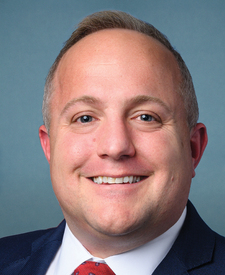
Russell William Fry
Representative
Republican
SC-7
Cosponsors
8
Quick Stats
Policy Area
Health
Summary
This bill aims to improve access to treatment and support for people with sickle cell disease, a serious inherited blood disorder. It would provide grants to organizations that offer education, advocacy, and comprehensive care programs for those affected by sickle cell disease, as well as scholarships and loan repayment for healthcare professionals who commit to working in sickle cell-related fields.
Latest Action
Referred to the Subcommittee on Health.
AI Summary
Plain-English explanation of this bill
This bill aims to improve access to treatment and support for people with sickle cell disease, a serious inherited blood disorder. It would provide grants to organizations that offer education, advocacy, and comprehensive care programs for those affected by sickle cell disease, as well as scholarships and loan repayment for healthcare professionals who commit to working in sickle cell-related fields.
Last updated: 12/29/2025
Official Summary
Congressional Research Service summary
<p><strong>Sickle Cell Care Expansion Act of 2023</strong></p> <p>This bill establishes programs to increase treatment and other services for populations with sickle cell disease. Sickle cell disease is an inherited blood disorder that can lead to pain, anemia, infections, and stroke.</p> <p>Specifically, the Department of Health and Human Services (HHS) must award grants to federally qualified health centers, community-based organizations, or other nonprofits that treat or otherwise support populations with sickle cell disease for education and advocacy programs concerning the disease. HHS must also award grants to nonprofits, including hospitals or institutions of higher education, that provide comprehensive care to populations with sickle cell disease for programs to support the transition from pediatric to adult care for patients with the disease.</p> <p>Additionally, the Health Resources and Services Administration must establish a program to provide scholarships or student loan repayment awards to individuals who commit to engage in clinical practice or research related to sickle cell disease for a period of obligated service as physicians.</p>
Key Points
Main provisions of the bill
Provides grants to organizations that offer education, advocacy, and comprehensive care programs for people with sickle cell disease
Establishes a program to provide scholarships and student loan repayment for healthcare professionals who commit to working in sickle cell-related fields
Focuses on helping patients transition from pediatric to adult care for sickle cell disease
How This Impacts Americans
Potential effects on citizens and communities
If passed, this bill would directly benefit people living with sickle cell disease by improving access to specialized care and support services. It would also encourage more healthcare professionals to enter the field of sickle cell treatment and research, which could lead to better medical outcomes for this population over time.
Policy Areas
Primary Policy Area
Health
Related Subjects
Blood and blood diseases
Community life and organization
Congressional oversight
Government information and archives
Health personnel
Hereditary and development disorders
Higher education
Medical education
Student aid and college costs
Scope & Jurisdiction
Jurisdiction Level
federal
Congressional Session
119th Congress
Citation Reference
3100, 119th Congress (2025). "To amend the National Child Protection Act of 1993 to ensure that businesses and organizations that work with vulnerable populations are able to request background checks for their contractors who work with those populations, as well as for individuals that the businesses or organizations license or certify to provide care for those populations.". Source: Voter's Right Platform. https://votersright.org/bills/118-hr-3100