House Bill
H.R. 3335
Children Don't Belong on Tobacco Farms Act
Primary Sponsor
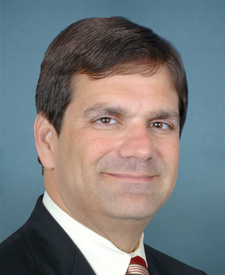
Gus M. Bilirakis
Representative
Cosponsors
2
Quick Stats
Policy Area
Summary
This bill aims to make it harder for the IRS to share taxpayers' personal information without proper identity verification and security measures. It also requires the IRS to disclose certain business tax return information that is currently confidential.
Latest Action
Referred to the House Committee on Ways and Means.
See this page through your district lens
Enter ZIP to personalize representatives and vote context.
Stay on top of this issue
Subscribe for weekly bill and representative updates.
Vote Prediction
Children Don't Belong on Tobacco Farms Act
This bill aims to make it harder for the IRS to share taxpayers' personal information without proper identity verification and security measures. It also requires the IRS to disclose certain business tax return information that is currently confidential.
Community Breakdown
Pass
0%
Fail
0%
0 predictions
This bill aims to make it harder for the IRS to share taxpayers' personal information without proper identity verification and security measures. It also requires the IRS to disclose certain business tax return information that is currently confidential.
- Bill Number
- 3335
- Sponsor
- Gus M. Bilirakis (R-FL)
- Introduced
- 9/2/2025
- Status
- Referred to the House Committee on Education and Workforce.
- Policy Area
- Taxation
Data from Congress.gov
Fact Sheet
- Title
- Children Don't Belong on Tobacco Farms Act
- Bill Number
- 3335
- Sponsor
- Gus M. Bilirakis (R-FL)
- Status
- Referred to the House Committee on Education and Workforce.
- Introduced
- 9/2/2025
- Summary
- This bill aims to make it harder for the IRS to share taxpayers' personal information without proper identity verification and security measures. It also requires the IRS to disclose certain business tax return information that is currently confidential.
Data from Congress.gov
Public Opinions
Community submissions related to this bill.
No public opinions yet. Be the first to submit one for this bill.
Related Bills in Taxation
Child Care Availability and Affordability Act
Referred to the House Committee on Ways and Means.
All-Americans Tax Relief Act of 2025
Referred to the House Committee on Ways and Means.
Family Business Legacy Act of 2025
Referred to the House Committee on Ways and Means.
LOCAL Infrastructure Act
Read twice and referred to the Committee on Finance.