House Bill
H.R. 3459
Empty Lots to Housing Act
Primary Sponsor
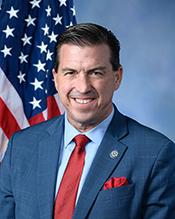
Kevin Mullin
Representative
Cosponsors
2
Quick Stats
Policy Area
Summary
This bill aims to make it easier for commercial drone companies to operate drones beyond the operator's line of sight. It requires the Federal Aviation Administration (FAA) to establish new rules and processes to approve drones for these long-distance flights, as well as create a new office focused on drone integration.
Latest Action
Referred to the Subcommittee on Aviation.
See this page through your district lens
Enter ZIP to personalize representatives and vote context.
Stay on top of this issue
Subscribe for weekly bill and representative updates.
Vote Prediction
Empty Lots to Housing Act
This bill aims to make it easier for commercial drone companies to operate drones beyond the operator's line of sight. It requires the Federal Aviation Administration (FAA) to establish new rules and processes to approve drones for these long-distance flights,
Community Breakdown
Pass
0%
Fail
0%
0 predictions
This bill aims to make it easier for commercial drone companies to operate drones beyond the operator's line of sight. It requires the Federal Aviation Administration (FAA) to establish new rules and processes to approve drones for these long-distance flights, as well as create a new office focused on drone integration.
- Bill Number
- 3459
- Sponsor
- Kevin Mullin (D-CA)
- Introduced
- 9/30/2025
- Status
- Referred to the Subcommittee on Highways and Transit.
- Policy Area
- Transportation and Public Works
Data from Congress.gov
Fact Sheet
- Title
- Empty Lots to Housing Act
- Bill Number
- 3459
- Sponsor
- Kevin Mullin (D-CA)
- Status
- Referred to the Subcommittee on Highways and Transit.
- Introduced
- 9/30/2025
- Summary
- This bill aims to make it easier for commercial drone companies to operate drones beyond the operator's line of sight. It requires the Federal Aviation Administration (FAA) to establish new rules and processes to approve drones for these long-distance flights, as well as create a new office focused
Data from Congress.gov
Public Opinions
Community submissions related to this bill.
No public opinions yet. Be the first to submit one for this bill.
Related Bills in Transportation and Public Works
Lowboy Auto Hauler Fairness Act of 2025
Referred to the Subcommittee on Highways and Transit.
AV Safety Data Act
Referred to the House Committee on Energy and Commerce.
Securing Smart Investments in our Ports Act
Read twice and referred to the Committee on Commerce, Science, and Transportation.
Brake for Kids Act of 2025
Referred to the Subcommittee on Highways and Transit.