House Bill
H.R. 385
Combating Global Corruption Act of 2025
Primary Sponsor
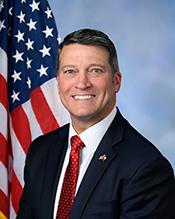
Ronny Jackson
Representative
Cosponsors
3
Quick Stats
Policy Area
Summary
This bill requires the State Department to publish annual country corruption rankings in three tiers. Tier two and three countries get anti-corruption contacts at U.S. embassies, and tier three countries face evaluation for Global Magnitsky sanctions.
Latest Action
Referred to the Committee on Foreign Affairs, and in addition to the Committee on the Judiciary, for a period to be subsequently determined by the Speaker, in each case for consideration of such provisions as fall within the jurisdiction of the committee concerned.
See this page through your district lens
Enter ZIP to personalize representatives and vote context.
Stay on top of this issue
Subscribe for weekly bill and representative updates.
Vote Prediction
Combating Global Corruption Act of 2025
This bill requires the State Department to publish annual country corruption rankings in three tiers. Tier two and three countries get anti-corruption contacts at U.S. embassies, and tier three countries face evaluation for Global Magnitsky sanctions.
Community Breakdown
Pass
0%
Fail
0%
0 predictions
This bill requires the State Department to publish annual country corruption rankings in three tiers. Tier two and three countries get anti-corruption contacts at U.S. embassies, and tier three countries face evaluation for Global Magnitsky sanctions.
- Bill Number
- 385
- Sponsor
- Ronny Jackson (R-TX)
- Introduced
- 1/14/2025
- Status
- Referred to the Committee on Foreign Affairs, and in addition to the Committee on the Judiciary, for
- Policy Area
- International Affairs
Data from Congress.gov
Fact Sheet
- Title
- Combating Global Corruption Act of 2025
- Bill Number
- 385
- Sponsor
- Ronny Jackson (R-TX)
- Status
- Referred to the Committee on Foreign Affairs, and in addition to the Committee on the Judiciary, for
- Introduced
- 1/14/2025
- Summary
- This bill requires the State Department to publish annual country corruption rankings in three tiers. Tier two and three countries get anti-corruption contacts at U.S. embassies, and tier three countries face evaluation for Global Magnitsky sanctions.
Data from Congress.gov
Public Opinions
Community submissions related to this bill.
No public opinions yet. Be the first to submit one for this bill.
Related Bills in International Affairs
Educational Opportunity and Success Act of 2023
Read twice and referred to the Committee on Health, Education, Labor, and Pensions. (Sponsor introdu
Stop Chinese Fentanyl Act of 2025
Received in the Senate and Read twice and referred to the Committee on Banking, Housing, and Urban A
Aid Accountability Act of 2025
Referred to the Committee on Foreign Affairs, and in addition to the Committee on Rules, for a perio
Sister City Transparency Act
Read twice and referred to the Committee on Foreign Relations.