House Bill
H.R. 4199
Modernize the Au Pair Program Act of 2025
Primary Sponsor
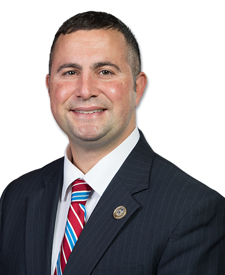
Darren Soto
Representative
Cosponsors
0
Quick Stats
Policy Area
Summary
This bill would create a pilot program to use blockchain technology to improve food safety and labeling. The program would use blockchain to better track potentially unsafe food and verify that organic food meets certification standards.
Latest Action
Referred to the Subcommittee on Conservation, Research, and Biotechnology.
See this page through your district lens
Enter ZIP to personalize representatives and vote context.
Stay on top of this issue
Subscribe for weekly bill and representative updates.
Vote Prediction
Modernize the Au Pair Program Act of 2025
This bill would create a pilot program to use blockchain technology to improve food safety and labeling. The program would use blockchain to better track potentially unsafe food and verify that organic food meets certification standards.
Community Breakdown
Pass
0%
Fail
0%
0 predictions
This bill would create a pilot program to use blockchain technology to improve food safety and labeling. The program would use blockchain to better track potentially unsafe food and verify that organic food meets certification standards.
- Bill Number
- 4199
- Sponsor
- Darren Soto (D-FL)
- Introduced
- 10/10/2025
- Status
- Referred to the House Committee on Foreign Affairs.
- Policy Area
- Agriculture and Food
Data from Congress.gov
Fact Sheet
- Title
- Modernize the Au Pair Program Act of 2025
- Bill Number
- 4199
- Sponsor
- Darren Soto (D-FL)
- Status
- Referred to the House Committee on Foreign Affairs.
- Introduced
- 10/10/2025
- Summary
- This bill would create a pilot program to use blockchain technology to improve food safety and labeling. The program would use blockchain to better track potentially unsafe food and verify that organic food meets certification standards.
Data from Congress.gov
Public Opinions
Community submissions related to this bill.
No public opinions yet. Be the first to submit one for this bill.
Related Bills in Agriculture and Food
Organic Science and Research Investment Act of 2025
Read twice and referred to the Committee on Agriculture, Nutrition, and Forestry.
A resolution supporting the designation of May 29, 2025, as "Mental Health Awareness in Agriculture Day" to raise awareness around mental health in the agricultural industry and workforce and to continue to reduce stigma associated with mental illness.
Resolution agreed to in Senate without amendment and with a preamble by Unanimous Consent. (consider
LAND Act
Referred to the Subcommittee on Nutrition and Foreign Agriculture.
PASS Act
Read twice and referred to the Committee on Banking, Housing, and Urban Affairs.