House Bill
H.R. 503
Qualified Immunity Act of 2025
Primary Sponsor
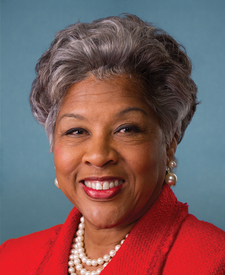
Joyce Beatty
Representative
Cosponsors
24
Quick Stats
Policy Area
Summary
This bill codifies the judicial doctrine of qualified immunity for law enforcement officers in civil rights lawsuits. Officers receive immunity if the constitutional right was not clearly established or if a court has held the specific conduct constitutional. The bill applies to federal, state, and local officers and extends protection to agencies and governments when their officers have immunity.
Latest Action
Referred to the House Committee on the Judiciary.
See this page through your district lens
Enter ZIP to personalize representatives and vote context.
Stay on top of this issue
Subscribe for weekly bill and representative updates.
Vote Prediction
Qualified Immunity Act of 2025
This bill codifies the judicial doctrine of qualified immunity for law enforcement officers in civil rights lawsuits. Officers receive immunity if the constitutional right was not clearly established or if a court has held the specific conduct constitutional.
Community Breakdown
Pass
0%
Fail
0%
0 predictions
This bill codifies the judicial doctrine of qualified immunity for law enforcement officers in civil rights lawsuits. Officers receive immunity if the constitutional right was not clearly established or if a court has held the specific conduct constitutional. The bill applies to federal, state, and local officers and extends protection to agencies and governments when their officers have immunity.
- Bill Number
- 503
- Sponsor
- Joyce Beatty (D-OH)
- Introduced
- 1/16/2025
- Status
- Referred to the House Committee on the Judiciary.
- Policy Area
- Civil Rights and Liberties, Minority Issues
Data from Congress.gov
Fact Sheet
- Title
- Qualified Immunity Act of 2025
- Bill Number
- 503
- Sponsor
- Joyce Beatty (D-OH)
- Status
- Referred to the House Committee on the Judiciary.
- Introduced
- 1/16/2025
- Summary
- This bill codifies the judicial doctrine of qualified immunity for law enforcement officers in civil rights lawsuits. Officers receive immunity if the constitutional right was not clearly established or if a court has held the specific conduct constitutional. The bill applies to federal, state, and
Data from Congress.gov
Public Opinions
Community submissions related to this bill.
No public opinions yet. Be the first to submit one for this bill.
Related Bills in Civil Rights and Liberties, Minority Issues
A resolution supporting the goals and ideals of National Public Safety Telecommunicators Week.
Referred to the Committee on Homeland Security and Governmental Affairs. (text: CR S1214-1215)
Recognizing the duty of the Federal Government to create a Green New Deal.
Referred to the Subcommittee on Conservation, Research, and Biotechnology.
Do No Harm Act
Referred to the House Committee on the Judiciary.
Supporting the goals and ideals of International Transgender Day of Visibility.
Referred to the House Committee on the Judiciary.