House Bill
H.R. 522
FAITH in Small Business Act
Primary Sponsor
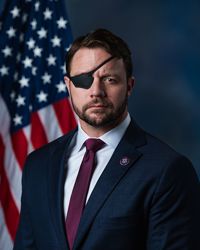
Dan Crenshaw
Representative
Cosponsors
4
Quick Stats
Policy Area
Summary
This bill codifies SBA rules allowing faith-based organizations to access business loan and disaster assistance programs. It covers 7(a), microloan, 504, EIDL, and MREIDL programs. Current regulations bar organizations principally engaged in religious instruction, but recent Supreme Court decisions found such exclusions unconstitutional when based solely on religious character. The bill aligns SBA policy with constitutional requirements.
Latest Action
Referred to the House Committee on Small Business.
See this page through your district lens
Enter ZIP to personalize representatives and vote context.
Stay on top of this issue
Subscribe for weekly bill and representative updates.
Vote Prediction
FAITH in Small Business Act
This bill codifies SBA rules allowing faith-based organizations to access business loan and disaster assistance programs. It covers 7(a), microloan, 504, EIDL, and MREIDL programs. Current regulations bar organizations principally engaged in religious instruct
Community Breakdown
Pass
0%
Fail
0%
0 predictions
This bill codifies SBA rules allowing faith-based organizations to access business loan and disaster assistance programs. It covers 7(a), microloan, 504, EIDL, and MREIDL programs. Current regulations bar organizations principally engaged in religious instruction, but recent Supreme Court decisions found such exclusions unconstitutional when based solely on religious character. The bill aligns SBA policy with constitutional requirements.
- Bill Number
- 522
- Sponsor
- Dan Crenshaw (R-TX)
- Introduced
- 1/16/2025
- Status
- Referred to the House Committee on Small Business.
- Policy Area
- Commerce
Data from Congress.gov
Fact Sheet
- Title
- FAITH in Small Business Act
- Bill Number
- 522
- Sponsor
- Dan Crenshaw (R-TX)
- Status
- Referred to the House Committee on Small Business.
- Introduced
- 1/16/2025
- Summary
- This bill codifies SBA rules allowing faith-based organizations to access business loan and disaster assistance programs. It covers 7(a), microloan, 504, EIDL, and MREIDL programs. Current regulations bar organizations principally engaged in religious instruction, but recent Supreme Court decisions
Data from Congress.gov
Public Opinions
Community submissions related to this bill.
No public opinions yet. Be the first to submit one for this bill.
Related Bills in Commerce
Defend American Manufacturing Act
Referred to the House Committee on Science, Space, and Technology.
MAIN Event Ticketing Act
Referred to the House Committee on Energy and Commerce.
SBA Fraud Enforcement Extension Act
Placed on Senate Legislative Calendar under General Orders. Calendar No. 134.
LIONs Act of 2025
Referred to the House Committee on Small Business.