House Bill
H.R. 5490
Dismantle Foreign Scam Syndicates Act
Primary Sponsor
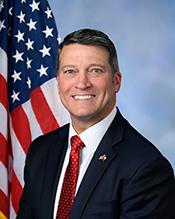
Ronny Jackson
Representative
Cosponsors
1
Quick Stats
Policy Area
Summary
This bill updates the maps of the John H. Chafee Coastal Barrier Resources System (CBRS), which is a network of protected coastal areas that are ineligible for federal funding for development. The bill expands some exceptions to this funding restriction, such as for aquaculture and certain Army Corps of Engineers projects. It also requires property owners in affected areas to disclose the CBRS status to potential buyers or renters.
Latest Action
Became Public Law No: 118-117.
See this page through your district lens
Enter ZIP to personalize representatives and vote context.
Stay on top of this issue
Subscribe for weekly bill and representative updates.
Vote Prediction
Dismantle Foreign Scam Syndicates Act
This bill updates the maps of the John H. Chafee Coastal Barrier Resources System (CBRS), which is a network of protected coastal areas that are ineligible for federal funding for development. The bill expands some exceptions to this funding restriction, such
Community Breakdown
Pass
0%
Fail
0%
0 predictions
This bill updates the maps of the John H. Chafee Coastal Barrier Resources System (CBRS), which is a network of protected coastal areas that are ineligible for federal funding for development. The bill expands some exceptions to this funding restriction, such as for aquaculture and certain Army Corps of Engineers projects. It also requires property owners in affected areas to disclose the CBRS status to potential buyers or renters.
- Bill Number
- 5490
- Sponsor
- Ronny Jackson (R-TX)
- Introduced
- 11/4/2025
- Status
- Referred to the Committee on Foreign Affairs, and in addition to the Committee on the Judiciary, for
- Policy Area
- Public Lands and Natural Resources
Data from Congress.gov
Fact Sheet
- Title
- Dismantle Foreign Scam Syndicates Act
- Bill Number
- 5490
- Sponsor
- Ronny Jackson (R-TX)
- Status
- Referred to the Committee on Foreign Affairs, and in addition to the Committee on the Judiciary, for
- Introduced
- 11/4/2025
- Summary
- This bill updates the maps of the John H. Chafee Coastal Barrier Resources System (CBRS), which is a network of protected coastal areas that are ineligible for federal funding for development. The bill expands some exceptions to this funding restriction, such as for aquaculture and certain Army Corp
Data from Congress.gov
Public Opinions
Community submissions related to this bill.
No public opinions yet. Be the first to submit one for this bill.
Related Bills in Public Lands and Natural Resources
Ocean Acidification Research Partnerships Act
Referred to the House Committee on Science, Space, and Technology.
Chaco Cultural Heritage Area Protection Act of 2025
Read twice and referred to the Committee on Energy and Natural Resources.
Coastal Communities Ocean Acidification Act of 2025
Read twice and referred to the Committee on Commerce, Science, and Transportation.
Forest Legacy Management Flexibility Act
Referred to the House Committee on Agriculture.