House Bill
H.R. 863
National Human Trafficking Database Act
Primary Sponsor
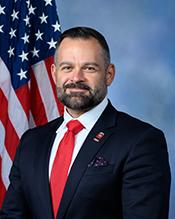
Cory Mills
Representative
Cosponsors
10
Quick Stats
Policy Area
Summary
This bill aims to prohibit schools and educational agencies from obtaining or distributing sexually explicit materials. It establishes new criminal penalties for publishing houses that provide such materials to schools, and blocks federal funding for schools and agencies that obtain or distribute these materials.
Latest Action
Referred to the Committee on Education and the Workforce, and in addition to the Committee on the Judiciary, for a period to be subsequently determined by the Speaker, in each case for consideration of such provisions as fall within the jurisdiction of the committee concerned.
See this page through your district lens
Enter ZIP to personalize representatives and vote context.
Stay on top of this issue
Subscribe for weekly bill and representative updates.
Vote Prediction
National Human Trafficking Database Act
This bill aims to prohibit schools and educational agencies from obtaining or distributing sexually explicit materials. It establishes new criminal penalties for publishing houses that provide such materials to schools, and blocks federal funding for schools a
Community Breakdown
Pass
0%
Fail
0%
0 predictions
This bill aims to prohibit schools and educational agencies from obtaining or distributing sexually explicit materials. It establishes new criminal penalties for publishing houses that provide such materials to schools, and blocks federal funding for schools and agencies that obtain or distribute these materials.
- Bill Number
- 863
- Sponsor
- Cory Mills (R-FL)
- Introduced
- 9/11/2025
- Status
- Referred to the House Committee on the Judiciary.
- Policy Area
- Crime and Law Enforcement
Data from Congress.gov
Fact Sheet
- Title
- National Human Trafficking Database Act
- Bill Number
- 863
- Sponsor
- Cory Mills (R-FL)
- Status
- Referred to the House Committee on the Judiciary.
- Introduced
- 9/11/2025
- Summary
- This bill aims to prohibit schools and educational agencies from obtaining or distributing sexually explicit materials. It establishes new criminal penalties for publishing houses that provide such materials to schools, and blocks federal funding for schools and agencies that obtain or distribute th
Data from Congress.gov
Public Opinions
Community submissions related to this bill.
No public opinions yet. Be the first to submit one for this bill.
Related Bills in Crime and Law Enforcement
GUARD Act
Referred to the Committee on the Judiciary, and in addition to the Committee on Financial Services,
Crime Victims Fund Stabilization Act of 2025
Motion to place bill on Consensus Calendar filed by Mrs. Wagner.
Resources for Victims of Gun Violence Act of 2025
Read twice and referred to the Committee on the Judiciary.
Frederick Douglass Trafficking Victims Prevention and Protection Reauthorization Act of 2025
Referred to the Committee on the Judiciary, and in addition to the Committees on Foreign Affairs, an