Senate Bill
S. 140
Wildfire Prevention Act of 2025
Primary Sponsor
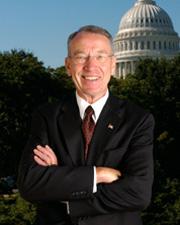
Chuck Grassley
Senator
Cosponsors
5
Quick Stats
Policy Area
Summary
This bill establishes forest management requirements to reduce wildfires on federal lands. It sets goals to increase mechanical thinning and prescribed burns by 40% by FY2029. The Forest Service and BLM must track hazardous fuels reduction, develop livestock grazing strategies for fire risk reduction, and pilot wildfire technology programs. Local governments and tribes can intervene in lawsuits affecting forest projects.
Latest Action
Committee on Energy and Natural Resources Subcommittee on Public Lands, Forests, and Mining. Hearings held.
See this page through your district lens
Enter ZIP to personalize representatives and vote context.
Stay on top of this issue
Subscribe for weekly bill and representative updates.
Vote Prediction
Wildfire Prevention Act of 2025
This bill establishes forest management requirements to reduce wildfires on federal lands. It sets goals to increase mechanical thinning and prescribed burns by 40% by FY2029. The Forest Service and BLM must track hazardous fuels reduction, develop livestock g
Community Breakdown
Pass
0%
Fail
0%
0 predictions
This bill establishes forest management requirements to reduce wildfires on federal lands. It sets goals to increase mechanical thinning and prescribed burns by 40% by FY2029. The Forest Service and BLM must track hazardous fuels reduction, develop livestock grazing strategies for fire risk reduction, and pilot wildfire technology programs. Local governments and tribes can intervene in lawsuits affecting forest projects.
- Bill Number
- 140
- Sponsor
- Chuck Grassley (R-IA)
- Introduced
- 1/16/2025
- Status
- Read twice and referred to the Committee on Energy and Natural Resources. (text: CR S228-231)
- Policy Area
- Public Lands and Natural Resources
Data from Congress.gov
Fact Sheet
- Title
- Wildfire Prevention Act of 2025
- Bill Number
- 140
- Sponsor
- Chuck Grassley (R-IA)
- Status
- Read twice and referred to the Committee on Energy and Natural Resources. (text: CR S228-231)
- Introduced
- 1/16/2025
- Summary
- This bill establishes forest management requirements to reduce wildfires on federal lands. It sets goals to increase mechanical thinning and prescribed burns by 40% by FY2029. The Forest Service and BLM must track hazardous fuels reduction, develop livestock grazing strategies for fire risk reductio
Data from Congress.gov
Public Opinions
Community submissions related to this bill.
No public opinions yet. Be the first to submit one for this bill.
Related Bills in Public Lands and Natural Resources
Ocean Acidification Research Partnerships Act
Referred to the House Committee on Science, Space, and Technology.
Chaco Cultural Heritage Area Protection Act of 2025
Read twice and referred to the Committee on Energy and Natural Resources.
Coastal Communities Ocean Acidification Act of 2025
Read twice and referred to the Committee on Commerce, Science, and Transportation.
Forest Legacy Management Flexibility Act
Referred to the House Committee on Agriculture.