Senate Bill
S. 281
TICKET Act
Primary Sponsor
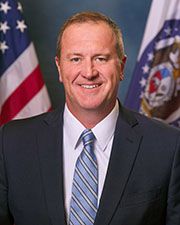
Eric Schmitt
Senator
Cosponsors
1
Quick Stats
Policy Area
Summary
The TICKET Act requires ticket sellers including secondary markets to display total prices upfront when tickets are first shown, with itemized fee breakdowns before purchase. It prohibits selling tickets not actually possessed and requires refunds for canceled or postponed events. Sellers may offer ticket-obtaining services if clearly distinguished from actual tickets.
Latest Action
Placed on Senate Legislative Calendar under General Orders. Calendar No. 63.
See this page through your district lens
Enter ZIP to personalize representatives and vote context.
Stay on top of this issue
Subscribe for weekly bill and representative updates.
Vote Prediction
TICKET Act
The TICKET Act requires ticket sellers including secondary markets to display total prices upfront when tickets are first shown, with itemized fee breakdowns before purchase. It prohibits selling tickets not actually possessed and requires refunds for canceled
Community Breakdown
Pass
0%
Fail
0%
0 predictions
The TICKET Act requires ticket sellers including secondary markets to display total prices upfront when tickets are first shown, with itemized fee breakdowns before purchase. It prohibits selling tickets not actually possessed and requires refunds for canceled or postponed events. Sellers may offer ticket-obtaining services if clearly distinguished from actual tickets.
- Bill Number
- 281
- Sponsor
- Eric Schmitt (R-MO)
- Introduced
- 1/28/2025
- Status
- Placed on Senate Legislative Calendar under General Orders. Calendar No. 63.
- Policy Area
- Commerce
Data from Congress.gov
Fact Sheet
- Title
- TICKET Act
- Bill Number
- 281
- Sponsor
- Eric Schmitt (R-MO)
- Status
- Placed on Senate Legislative Calendar under General Orders. Calendar No. 63.
- Introduced
- 1/28/2025
- Summary
- The TICKET Act requires ticket sellers including secondary markets to display total prices upfront when tickets are first shown, with itemized fee breakdowns before purchase. It prohibits selling tickets not actually possessed and requires refunds for canceled or postponed events. Sellers may offer
Data from Congress.gov
Public Opinions
Community submissions related to this bill.
No public opinions yet. Be the first to submit one for this bill.
Related Bills in Commerce
Defend American Manufacturing Act
Referred to the House Committee on Science, Space, and Technology.
MAIN Event Ticketing Act
Referred to the House Committee on Energy and Commerce.
SBA Fraud Enforcement Extension Act
Placed on Senate Legislative Calendar under General Orders. Calendar No. 134.
LIONs Act of 2025
Referred to the House Committee on Small Business.