Senate Bill
S. 30
ERASER Act
Primary Sponsor
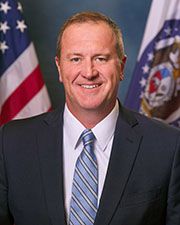
Eric Schmitt
Senator
Cosponsors
2
Quick Stats
Policy Area
Summary
The ERASER Act requires federal agencies to repeal three existing rules before issuing any new rule. For major rules with significant economic impact, the cost of the new rule must not exceed the combined cost of the repealed rules. This aims to reduce the overall regulatory burden.
Latest Action
Read twice and referred to the Committee on Homeland Security and Governmental Affairs.
See this page through your district lens
Enter ZIP to personalize representatives and vote context.
Stay on top of this issue
Subscribe for weekly bill and representative updates.
Vote Prediction
ERASER Act
The ERASER Act requires federal agencies to repeal three existing rules before issuing any new rule. For major rules with significant economic impact, the cost of the new rule must not exceed the combined cost of the repealed rules. This aims to reduce the ove
Community Breakdown
Pass
0%
Fail
0%
0 predictions
The ERASER Act requires federal agencies to repeal three existing rules before issuing any new rule. For major rules with significant economic impact, the cost of the new rule must not exceed the combined cost of the repealed rules. This aims to reduce the overall regulatory burden.
- Bill Number
- 30
- Sponsor
- Eric Schmitt (R-MO)
- Introduced
- 1/16/2025
- Status
- Read twice and referred to the Committee on Homeland Security and Governmental Affairs.
- Policy Area
- Government Operations and Politics
Data from Congress.gov
Fact Sheet
- Title
- ERASER Act
- Bill Number
- 30
- Sponsor
- Eric Schmitt (R-MO)
- Status
- Read twice and referred to the Committee on Homeland Security and Governmental Affairs.
- Introduced
- 1/16/2025
- Summary
- The ERASER Act requires federal agencies to repeal three existing rules before issuing any new rule. For major rules with significant economic impact, the cost of the new rule must not exceed the combined cost of the repealed rules. This aims to reduce the overall regulatory burden.
Data from Congress.gov
Public Opinions
Community submissions related to this bill.
No public opinions yet. Be the first to submit one for this bill.
Related Bills in Government Operations and Politics
Recognizing the enduring cultural and historical significance of emancipation in the Nation's capital on the anniversary of President Abraham Lincoln's signing of the District of Columbia Compensated Emancipation Act, which established the "first freed" on April 16, 1862, and celebrating passage of the District of Columbia statehood bill in the House of Representatives.
Referred to the House Committee on Oversight and Government Reform.
Vote at Home Act of 2025
Referred to the Committee on House Administration, and in addition to the Committee on Oversight and
SERVICE Act
Referred to the House Committee on Oversight and Government Reform.
To provide employment protections for, and reinstatement of, certain probationary Federal career employees, and for other purposes.
Referred to the Committee on Oversight and Government Reform, and in addition to the Committee on Ve