Veterinary Services to Improve Public Health in Rural Communities Act
Placed on Senate Legislative Calendar under General Orders. Calendar No. 174.
Introduced:Feb 18, 2025
Primary Sponsor
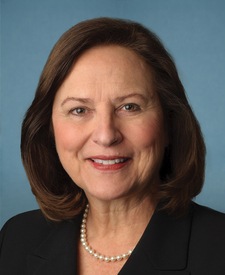
Deb Fischer
Senator
Republican
NE
Cosponsors
3
Quick Stats
Policy Area
Native Americans
Summary
This bill expands veterinary public health services in tribal communities to prevent and control zoonotic diseases that spread between animals and humans. It authorizes IHS to fund veterinary services, deploy veterinary officers, and includes IHS in the National One Health Framework. USDA must study oral rabies vaccine delivery in Arctic tribal regions.
Latest Action
Held at the desk.
AI Summary
Plain-English explanation of this bill
This bill expands veterinary public health services in tribal communities to prevent and control zoonotic diseases that spread between animals and humans. It authorizes IHS to fund veterinary services, deploy veterinary officers, and includes IHS in the National One Health Framework. USDA must study oral rabies vaccine delivery in Arctic tribal regions.
Last updated: 1/6/2026
Official Summary
Congressional Research Service summary
<p><strong>Veterinary Services to Improve Public Health in Rural Communities Act</strong></p><p>This bill expands support for public health veterinary services (e.g., disease surveillance or vaccination) in tribal communities to address zoonotic infectious diseases (i.e., diseases that spread between humans and animals).</p><p>Specifically, the bill authorizes the Department of Health and Human Services (HHS), acting through the Indian Health Service (IHS), to expend funds for public health veterinary services to prevent and control zoonotic disease infection and transmission in IHS areas where the risk for disease occurrence in humans and wildlife is endemic.</p><p>HHS may assign or deploy veterinary public health officers from the U.S. Public Health Service (USPHS) Commissioned Corps to IHS areas.</p><p>Additionally, HHS must submit a biennial report to Congress on the use of funds, the assignment and deployment of veterinary public health officers from the USPHS Commissioned Corps, data related to the monitoring and disease surveillance of zoonotic diseases, and related services.</p><p>The bill also includes the IHS as a coordinating agency in the National One Health Framework. (This framework addresses zoonotic diseases and advances public health preparedness in the United States.)</p><p>The bill requires the Department of Agriculture to conduct a feasibility study on the delivery of oral rabies vaccines to wildlife reservoir species that are connected to the transmission of rabies to tribal members living in Arctic regions of the United States. The study must (1) evaluate the efficacy of the oral rabies vaccines, and (2) make recommendations to improve the delivery of these vaccines.</p>
Key Points
Main provisions of the bill
Expands veterinary services in tribal communities
Addresses zoonotic disease prevention and control
Allows deployment of Public Health Service veterinarians
Includes IHS in National One Health Framework
Studies oral rabies vaccine delivery in Arctic regions
How This Impacts Americans
Potential effects on citizens and communities
Tribal communities would receive improved veterinary public health services to prevent diseases that spread from animals to humans. This is especially important for remote areas where contact with wildlife increases disease transmission risk.
Policy Areas
Primary Policy Area
Native Americans
Related Subjects
Animal and plant health
Arctic and polar regions
Congressional oversight
Health promotion and preventive care
Immunology and vaccination
Indian social and development programs
Infectious and parasitic diseases
Veterinary medicine and animal diseases
Scope & Jurisdiction
Jurisdiction Level
federal
Congressional Session
119th Congress
Citation Reference
620, 119th Congress (2025). "Veterinary Services to Improve Public Health in Rural Communities Act". Source: Voter's Right Platform. https://votersright.org/bills/118-s-620